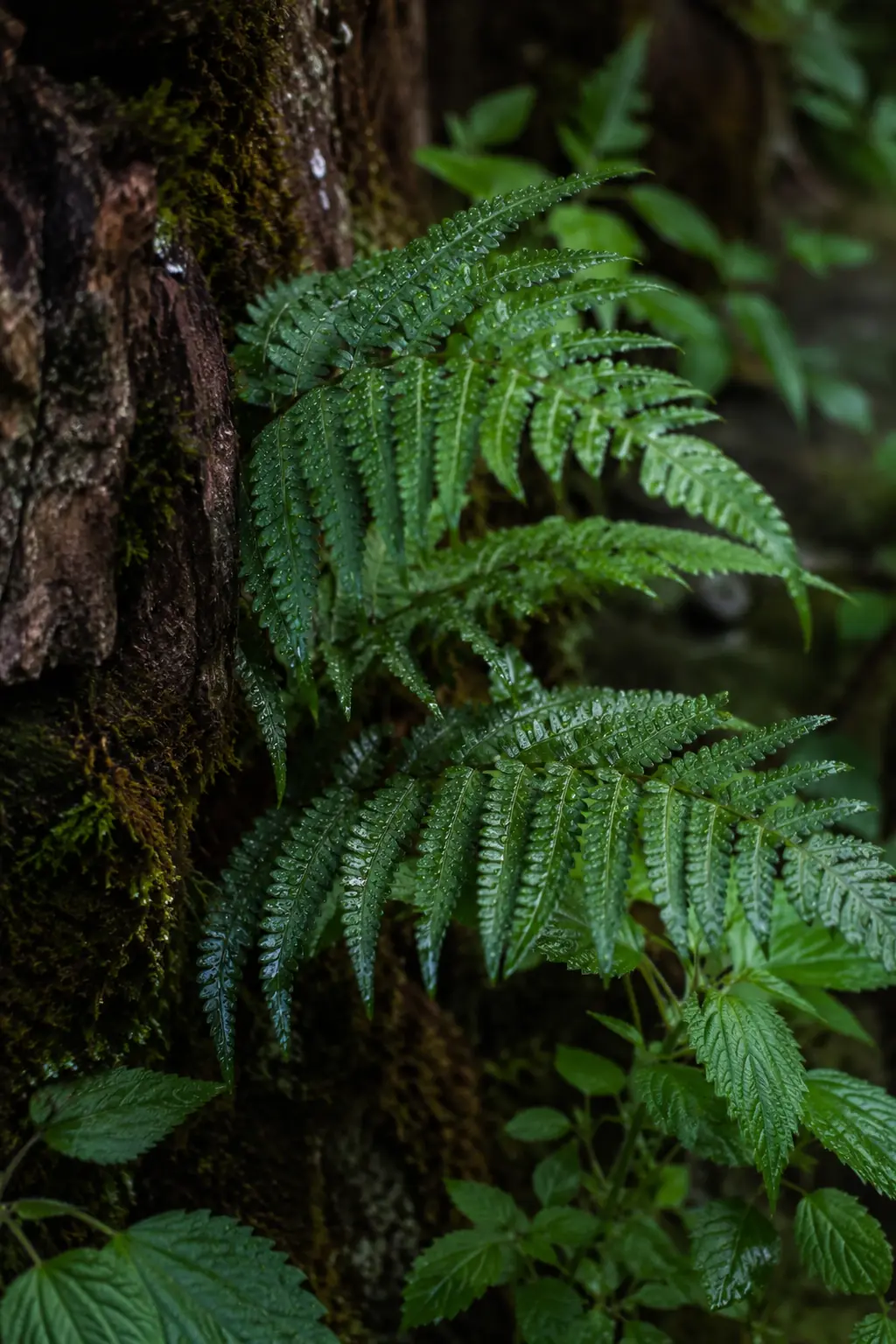
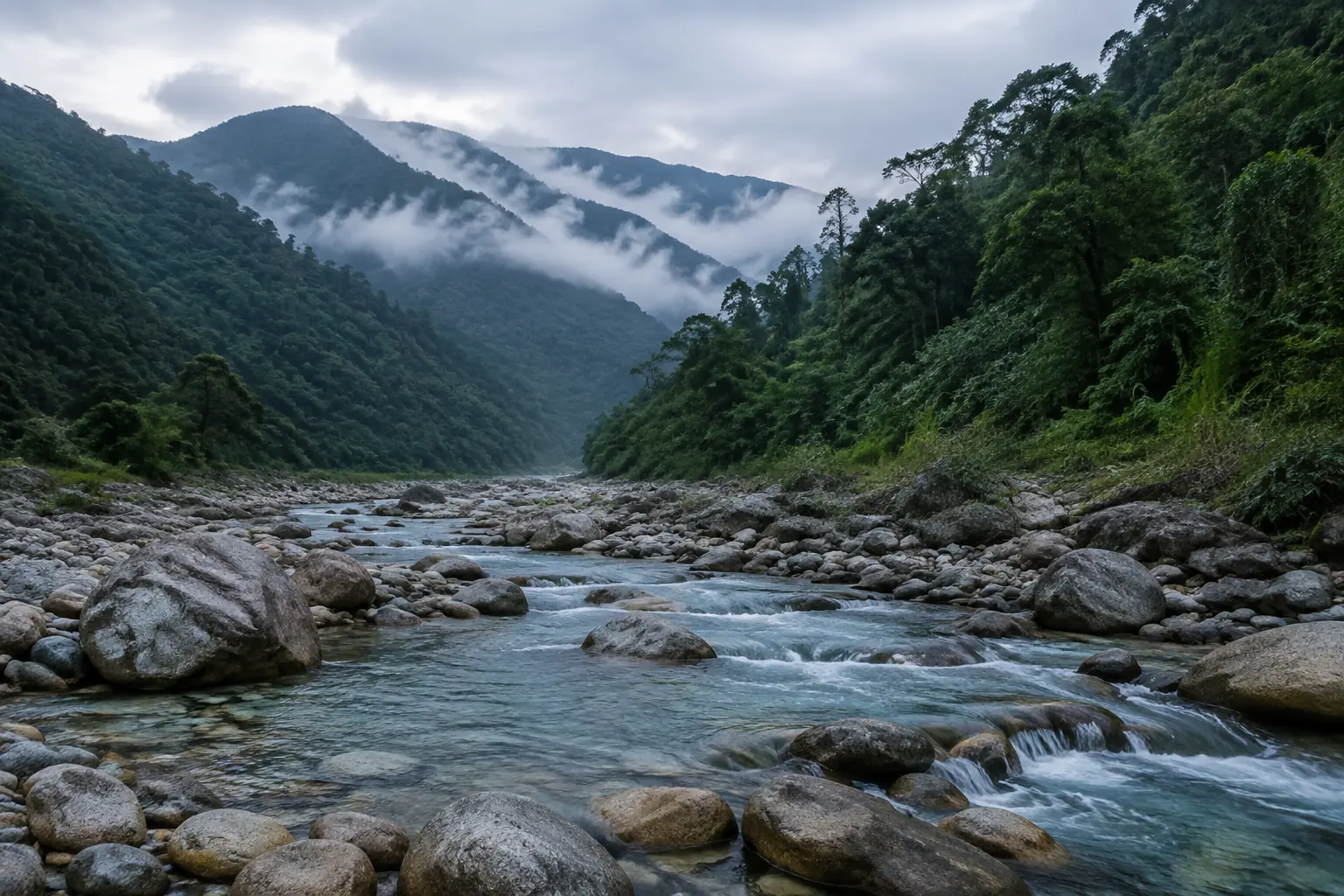
The Kalimpong hills are not a checklist of viewpoints. Choose one valley, understand the road, and allow the weather to become part of the story.
First decision
Choose a base, not a list of names
Kalimpong is both a town and a wide hill district connected by steep roads, river systems and small settlements. Online itineraries often flatten that geography into a list. The result is a trip spent checking out, driving, checking in and arriving too late to understand anywhere.
A better plan begins with the atmosphere you want: forest or open ridge, river proximity or long views, village quiet or easier town access. Pick one primary base and use nearby walks or drives as optional extensions. Two nights is a minimum; three gives the landscape time to change in front of you.
Read the road before you book the room
A beautiful stay may involve a rough final approach, a downhill footpath, limited parking or a longer transfer than a map suggests. Ask about the last five kilometres, not only the total distance. Confirm whether an ordinary car reaches the property, how luggage moves, and what happens after heavy rain.
These questions do not make a journey less adventurous. They let the organiser match the group, vehicle and daylight to the actual route—and keep the first arrival from becoming an avoidable stress test.
In the hills, distance is measured less accurately in kilometres than in bends, weather and the number of times you stop looking at the clock.
Be specific about comfort
‘Homestay’, ‘eco-stay’ and ‘camp’ can describe very different realities. Ask whether bathrooms are attached, how hot water is provided, whether electricity has backup, what mobile networks work and how far the rooms are from the dining area. Families, older travellers and first-time campers deserve clear answers.
Offbeat should mean closer to a place—not vague information, compromised hygiene or unnecessary discomfort.
Let the season change the itinerary
Winter often brings clearer distant views and cold nights. Spring can soften the forest with new growth. Monsoon intensifies water, cloud and colour while making road judgement essential. The shoulder months can offer beautiful transitions, but conditions vary year to year.
Check with someone on the ground shortly before departure. Build a primary plan and a weather-safe alternative. The strongest mountain journeys are not the ones that defeat weather; they are the ones flexible enough to remain meaningful inside it.
Base yourself in one landscape for at least two nights, confirm real access and comfort details, and keep one half-day deliberately empty.