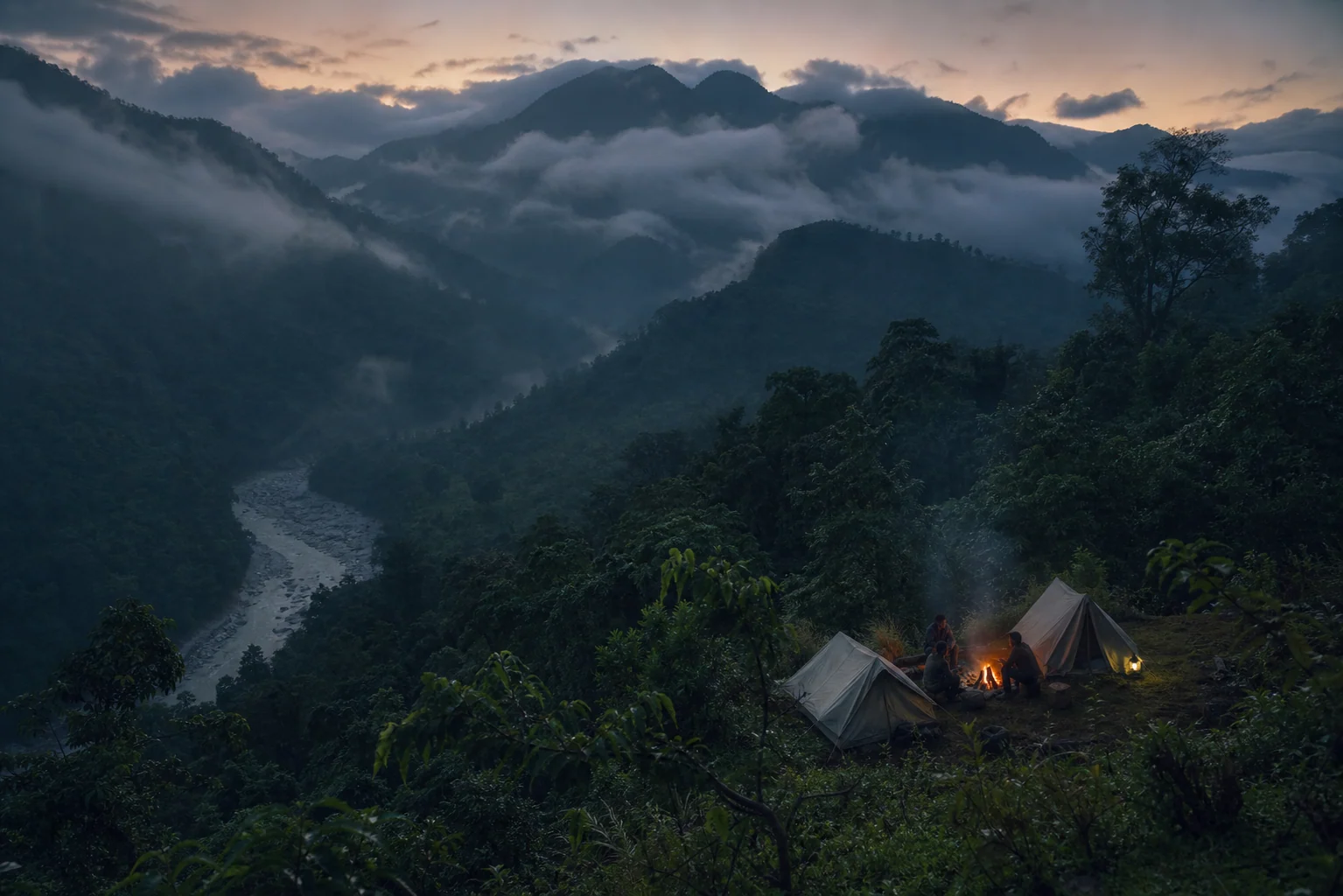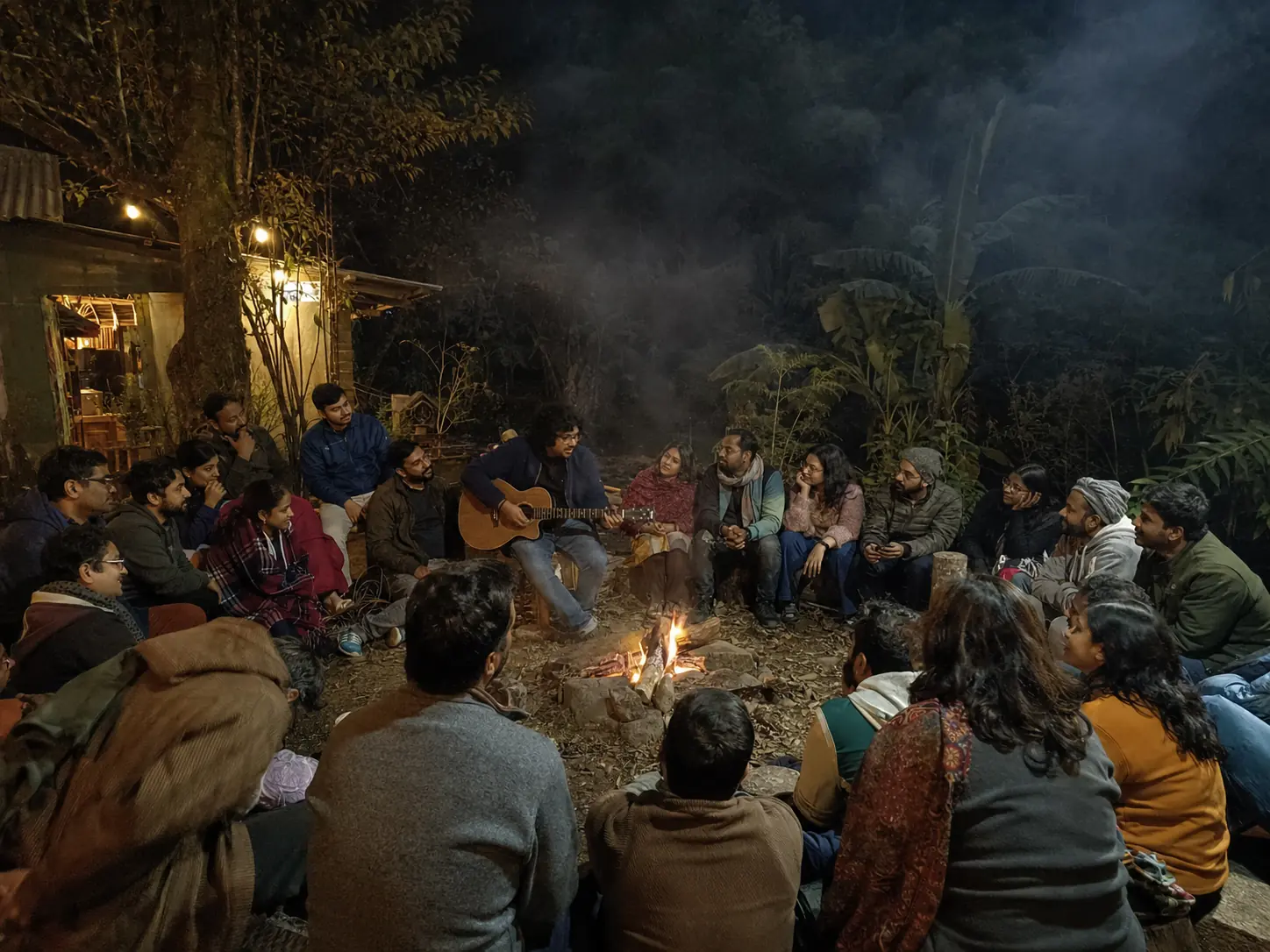
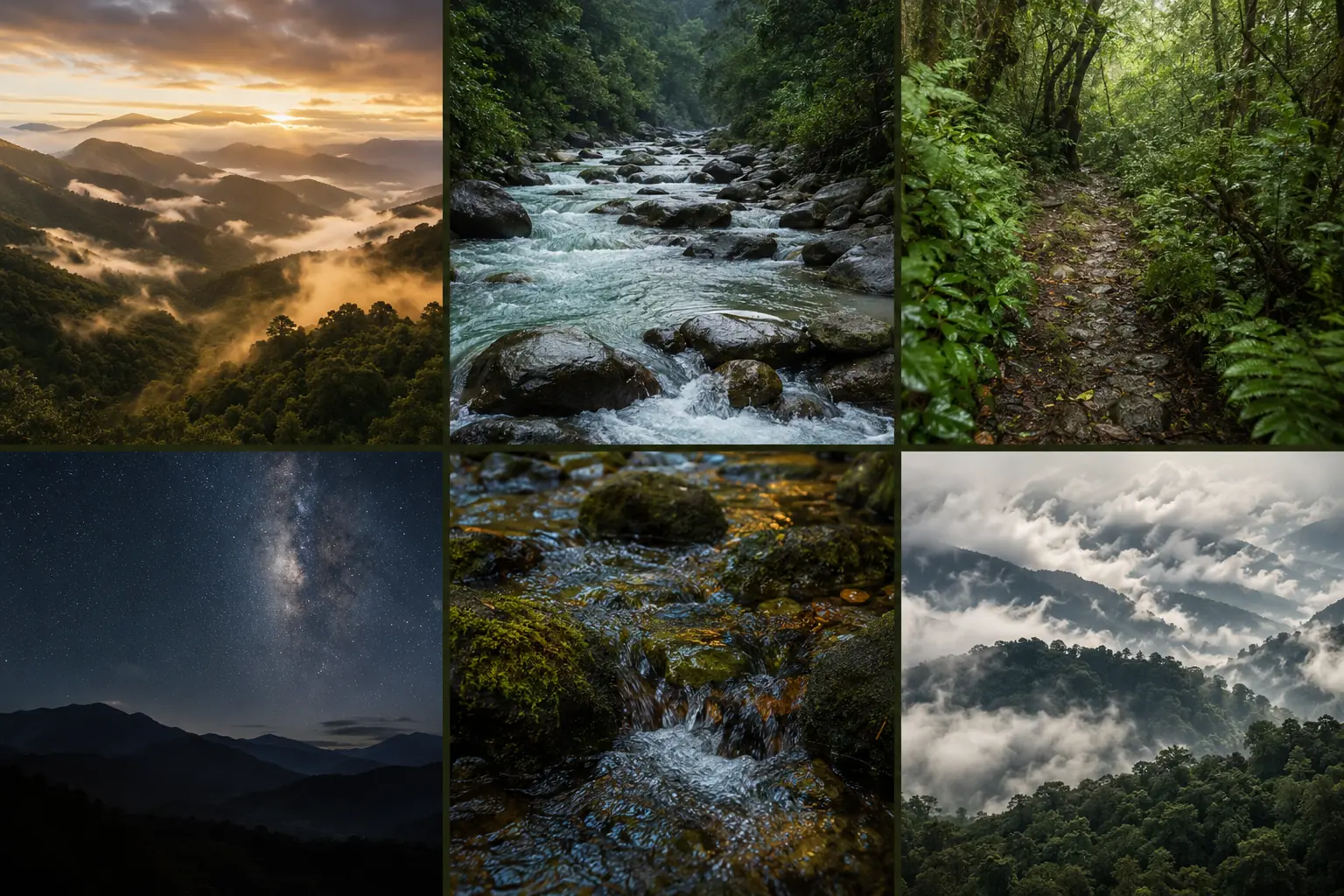
Nature is not one generic green backdrop. Water changes quickly, forests limit visibility and mountain roads multiply small decisions. Learn what each place asks of you.
At the river
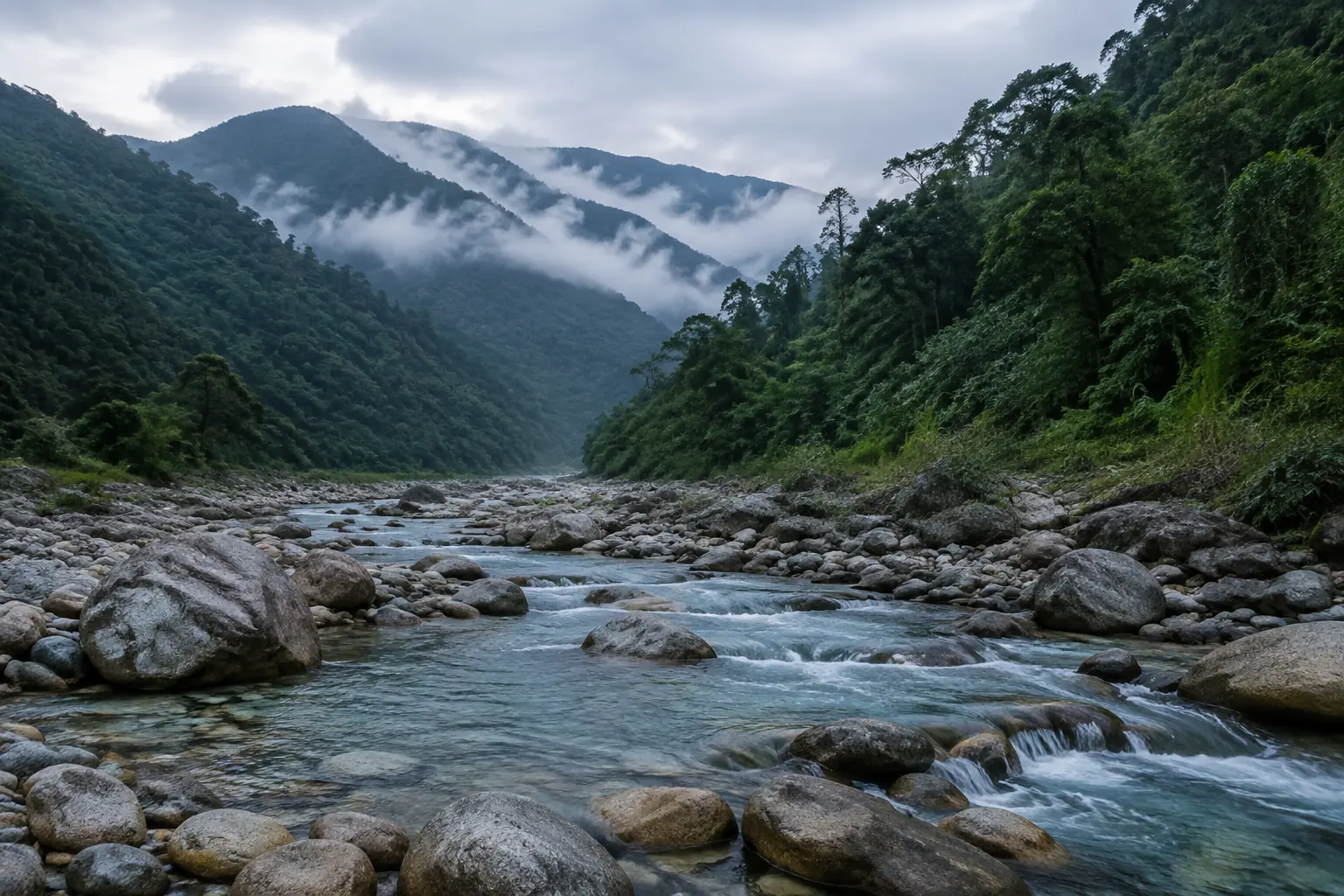
Clear water can still be powerful water
A photogenic river edge may contain slippery rock, an undercut bank, cold shock or a current stronger than it appears. Upstream rain can change level even when the local sky is clear. Ask the host which areas are used for entry and which are observation only.
Never make swimming permission from photographs. Footwear, flow, depth, temperature and rescue capability matter. Children and non-swimmers need explicit boundaries, not a general instruction to be careful.
Inside the forest
Distance becomes harder to judge when the view closes
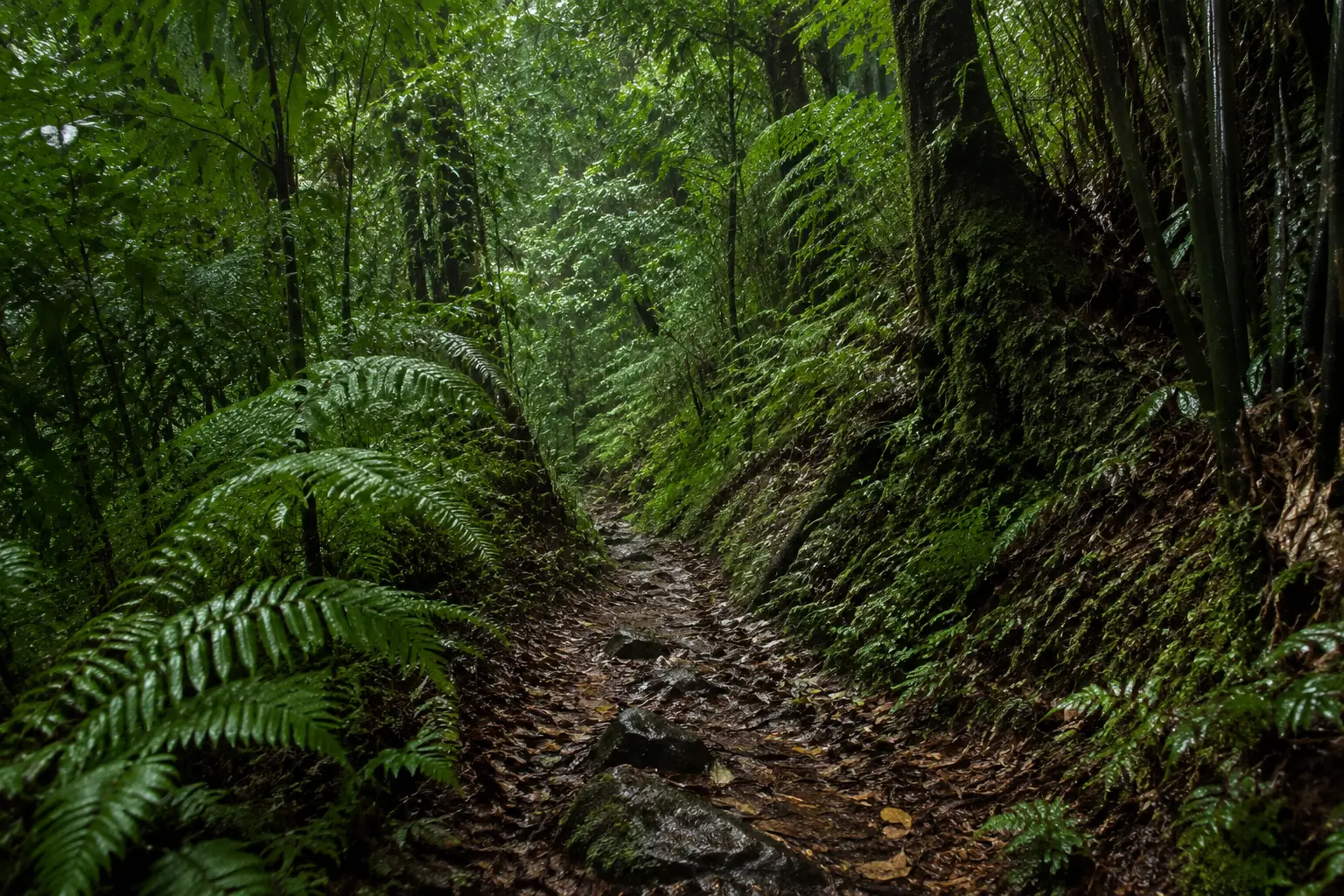
Forest routes can feel gentle while making orientation difficult. Stay within voice or visual contact, notice junctions and carry light even for an afternoon walk. Do not follow an animal trail or an attractive opening unless the guide confirms the route.
Avoid touching unfamiliar plants, fungi or insects. Keep food contained and let wildlife maintain distance. Observation is richer when it does not require interference.
Respect begins when a landscape stops being scenery and becomes a set of living conditions you are responsible for reading.
On the mountain road
Patience is part of vehicle safety
Hill driving depends on visibility, surface, vehicle condition and a driver's local judgement. Seat belts should be used where fitted; luggage must not compromise doors or driver visibility. Do not pressure a driver to recover time lost to weather.
Motion-sensitive travellers should sit where they can see the road, eat lightly and discuss medication with an appropriate professional before the trip.
Make the group easier to care for
Tell the host before an activity if you are tired, unwell, afraid or unsure. Quietly struggling to avoid delaying others can turn a small problem into a group emergency. A good experience offers an opt-out or alternative without humiliation.
Nature literacy is not heroic toughness. It is the shared habit of noticing change early, communicating it and accepting that turning back can be the most competent decision of the day.
Let local guidance override visual temptation, keep the group within communication distance, and change the plan at the first meaningful warning—not the last.